4 hr
Cape Cod Bay Whale Watching Expedition
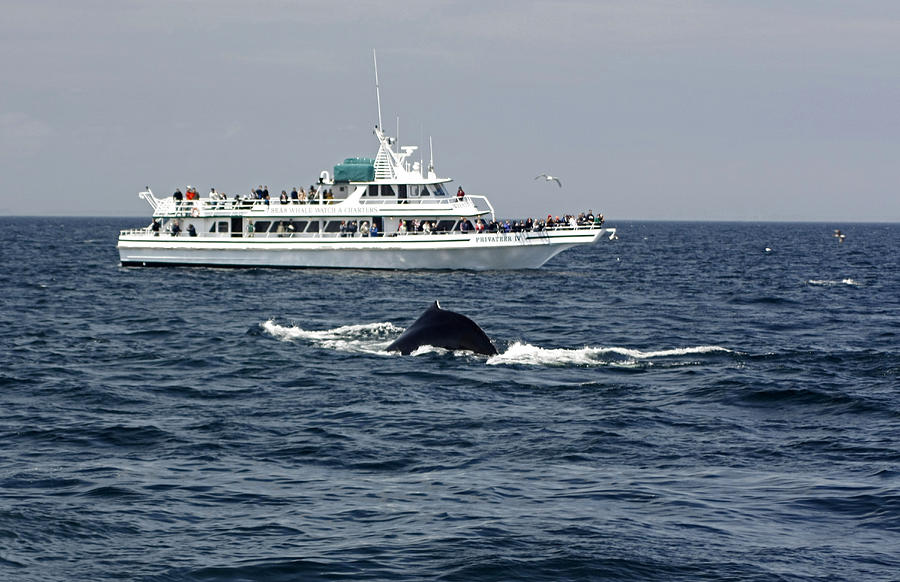
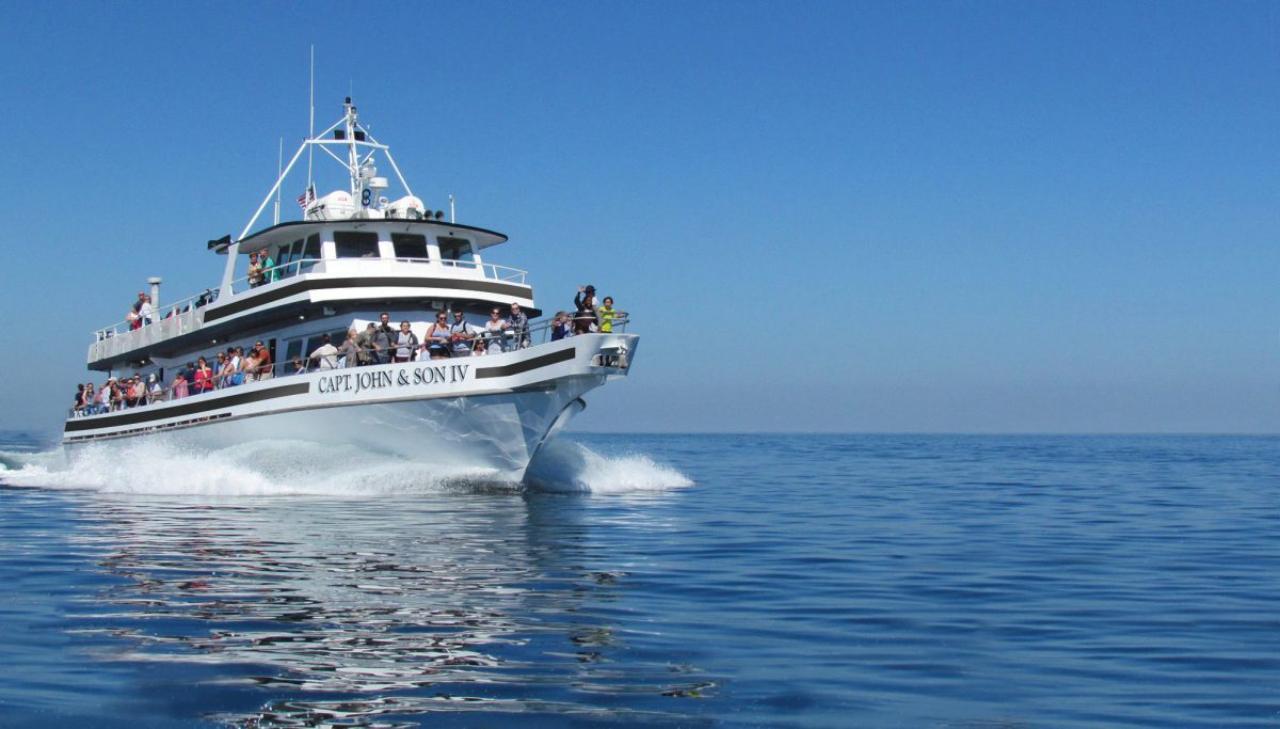
Four-hour marine safari to Stellwagen Bank sanctuary, home to humpbacks, finbacks, and endangered right whales
Reserve
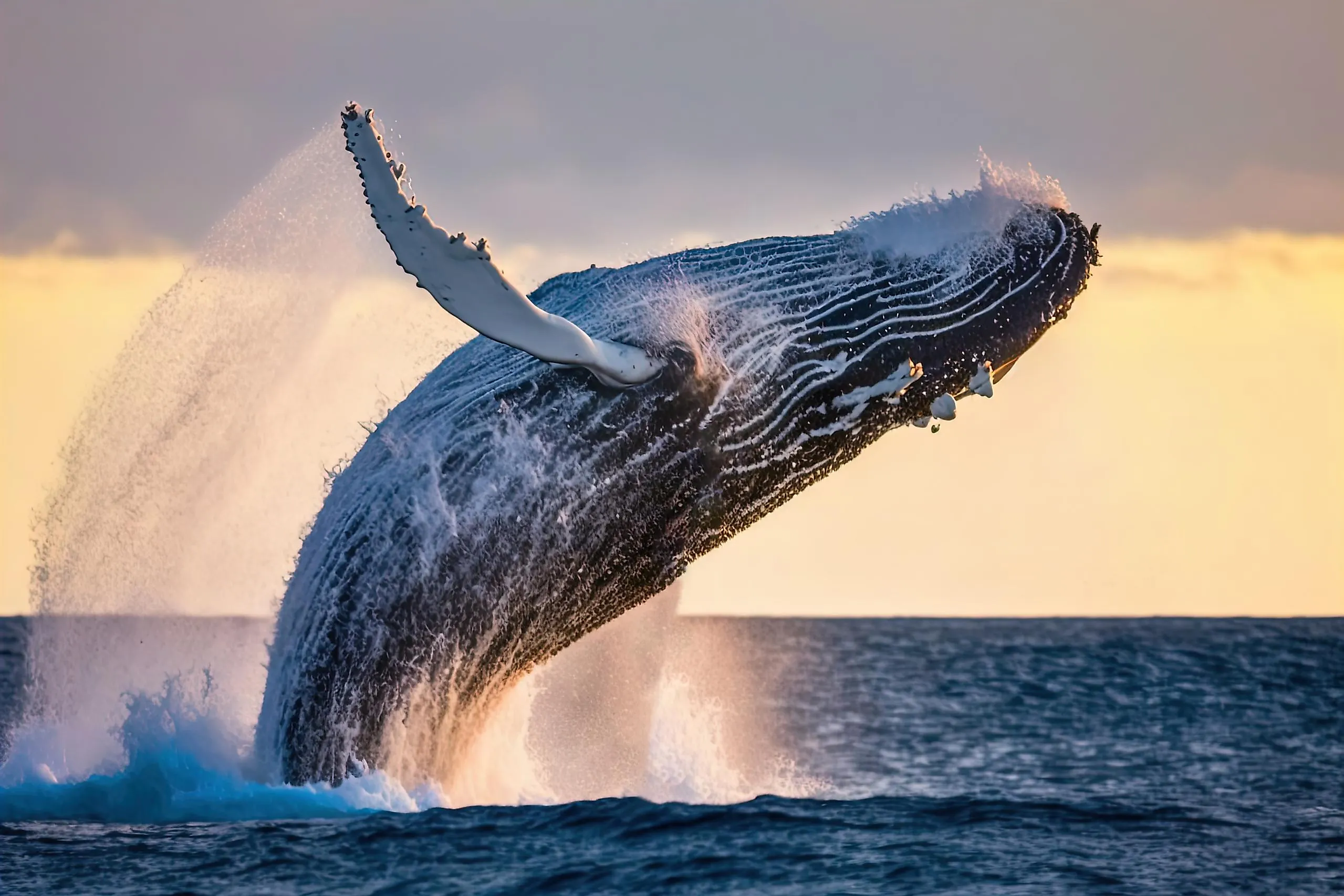
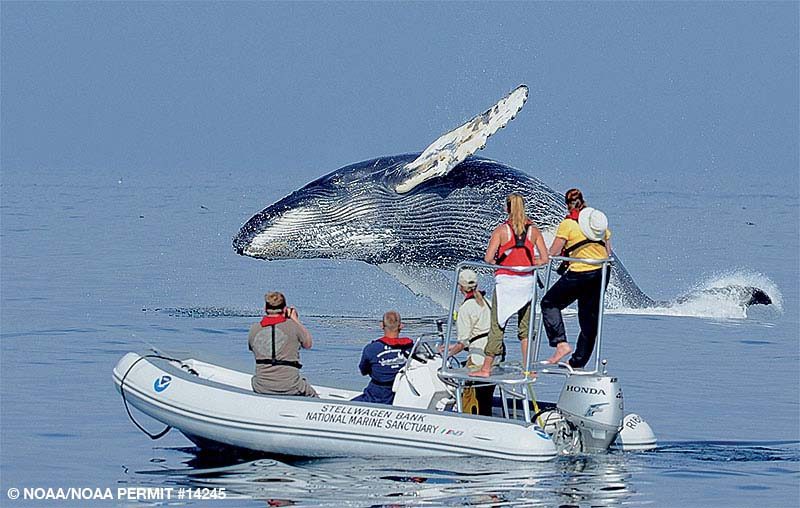
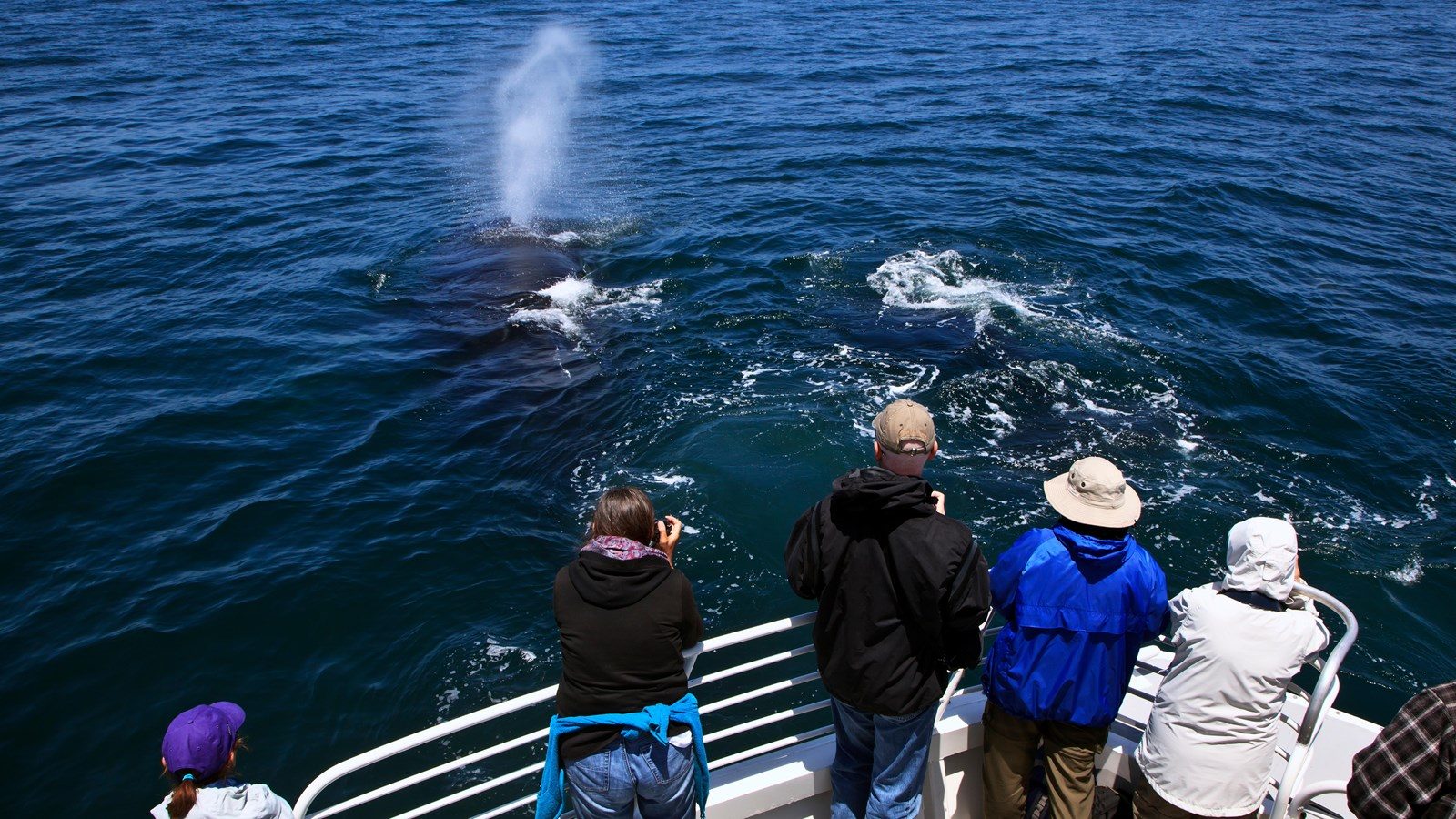
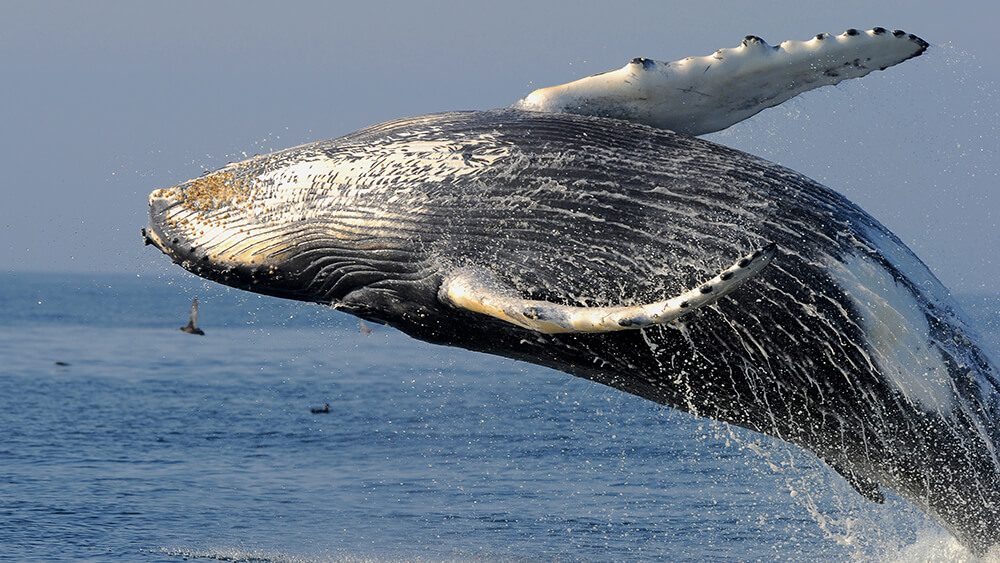
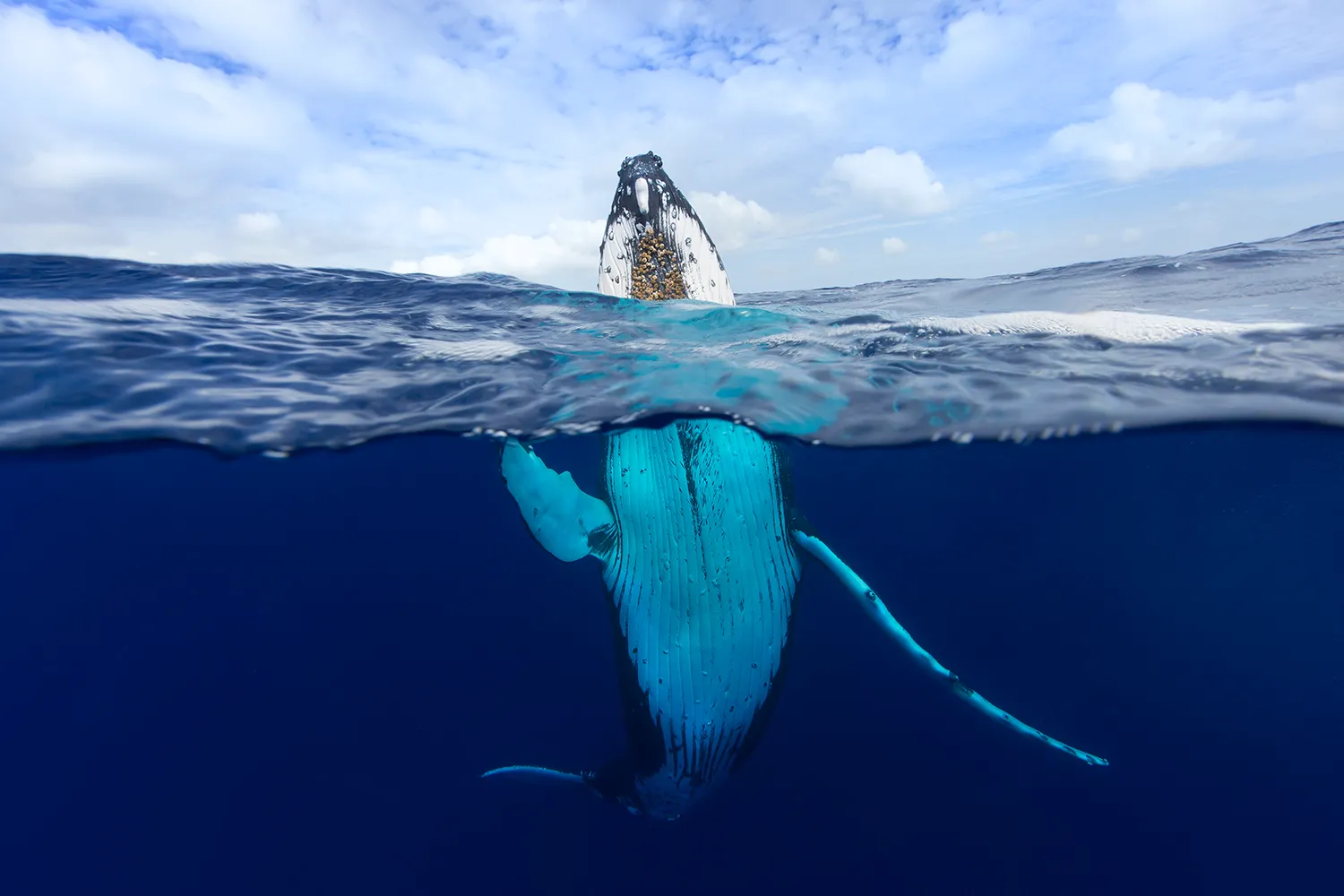
Humpback breaches at arm's reach, finback passages beneath the bow
Hand-picked by our editors — only the best 12 whale-watching experiences from 47 reviewed.
Verified partners for Plymouth Whale Watching tours, free cancellation where available, and instant confirmation on every booking.
4 hr
Four-hour marine safari to Stellwagen Bank sanctuary, home to humpbacks, finbacks, and endangered right whales
Reserve
1 hr 15 min
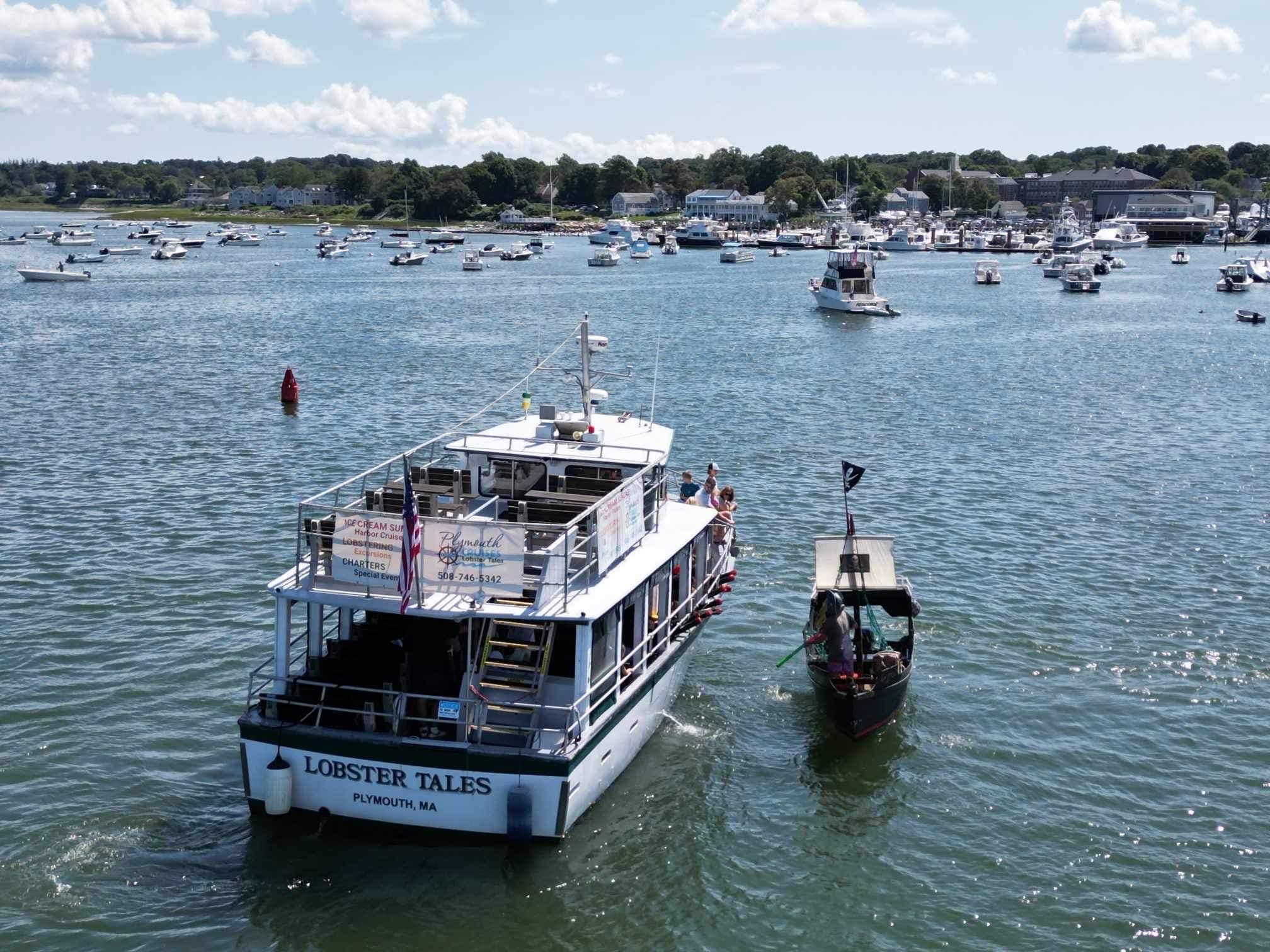
Recover stolen treasure on a 75-minute interactive voyage with water cannon battles and live swashbucklers
Reserve
1 hr 15 min
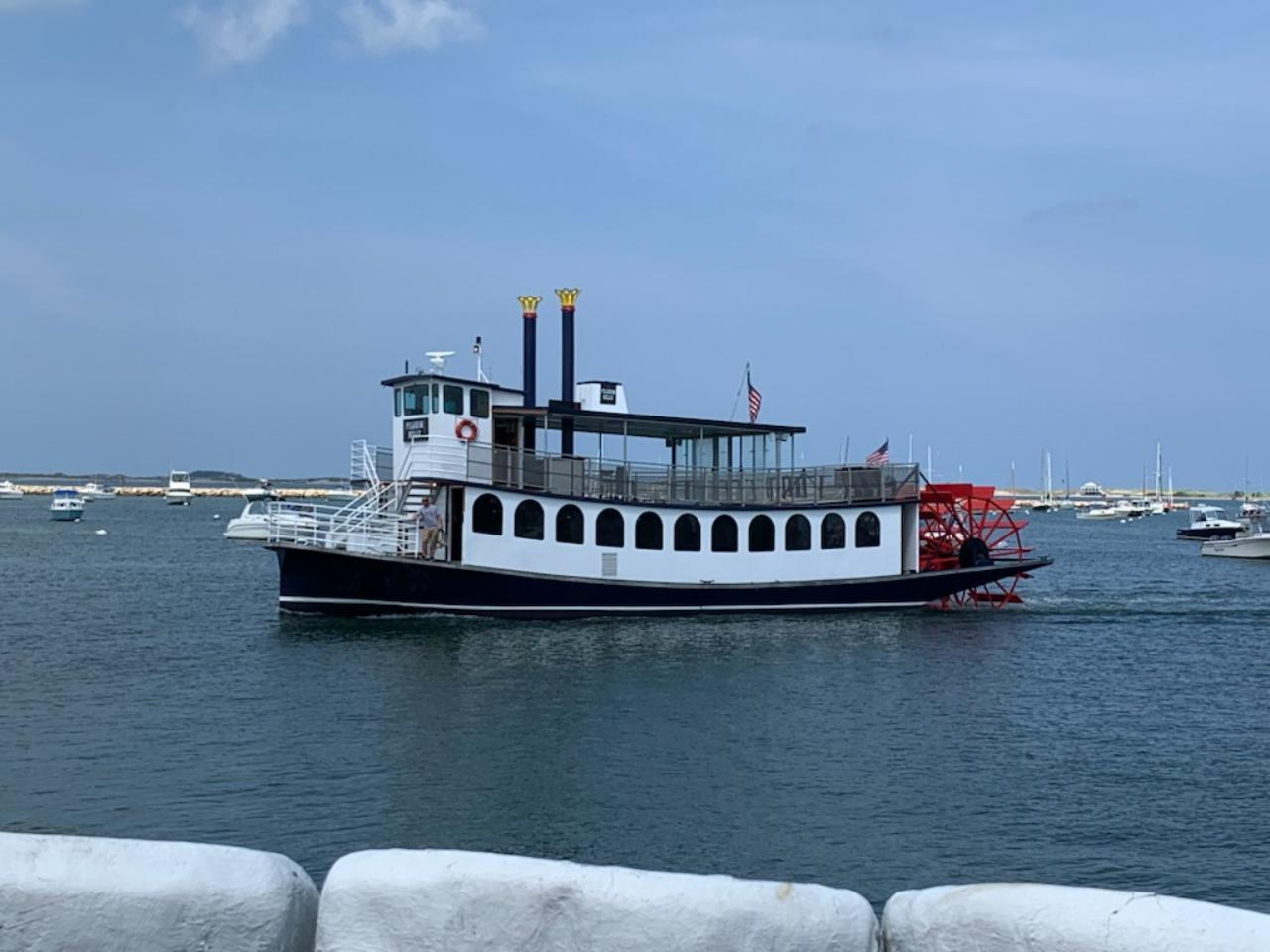
Sail through historic waters where the Mayflower anchored on a 75-minute narrated harbor tour
ReservePrices from verified partners. Availability updates in real time at checkout. Free cancellation policies apply where shown.
The landmarks, rooms, and views travelers on Plymouth Whale Watching tours remember — all visible on a single visit.
This underwater feature provides an ideal feeding ground for marine life in the sanctuary
Every Plymouth Whale Watching tour side-by-side — duration, what's included, how you redeem.
| Experience | Duration | Rating | Guide | Small group | Free cancel. | Price | |
|---|---|---|---|---|---|---|---|
|
Standard Entry Most popular
Cape Cod Bay Whale Watching Expedition
|
4 hr | ★ 4.8 | ✓ | ✓ | ✓ | €64 | Book → |
|
Standard Entry
Plymouth Pirate Adventure Cruise
|
1 hr 15 min | ★ 4.8 | — | — | ✓ | €42 | Book → |
|
Standard Entry
Plymouth Harbor Cruise aboard Pilgrim Belle
|
1 hr 15 min | ★ 4.1 | — | — | ✓ | €23 | Book → |
All prices from verified partners. Availability and exact terms confirmed at checkout.
They complement each other; most visitors who do both call the smaller-vessel departure from Plymouth the more personal and thrilling experience.
| Feature | Top pick Plymouth Tours | Boston Harbor Tours |
|---|---|---|
Departure convenience |
High (Town Wharf) | High (Long Wharf) |
Parking availability |
Varies (Public lots nearby) | Limited and expensive |
Travel time to sanctuary |
Approx. 60–90 minutes | Approx. 60 minutes |
Coastal scenery |
Historic harbor views | Downtown skyline vistas |
Vessel size |
Mid-size to small | Large high-speed catamarans |
Boarding process |
Typically 30–60 mins early | 30 minutes recommended |
| See tickets → |
Verdict: Choose Plymouth whale watching tours for a more relaxed coastal atmosphere, or select Boston whale watching tickets if you prefer easy transit access to the sanctuary.
Choose your ticket, select your date, and reserve in under two minutes. Secure checkout handled by our verified partner.
Instant confirmation by email, with a mobile voucher you can save offline. No printing, no queuing at a collection desk.
Arrive at the entrance, show your voucher on your phone, and walk in. Most tickets include priority or skip-the-line access.
Practical details for Plymouth Whale Watching tickets straight from our verified partners — hours, access, rules, and how to get there.
Town Wharf, Plymouth, MA
Primary departure area for many cruises
Open in Google MapsFollow Route 3 to the Plymouth waterfront
MBTA Commuter Rail to Plymouth
Wear layers as temperatures drop significantly offshore. Non-slip rubber-soled shoes are required for safety on deck.
Soft-sided bags are recommended for easy storage under seating. Vessels may restrict large suitcases.
Photography is permitted. Use a high shutter speed to capture marine mammals in motion.
Modern vessels often feature accessible restrooms and boarding ramps. Verify specific ship capabilities with your chosen Plymouth whale watching tour operator.
Cellular service is intermittent offshore. Keep devices in waterproof cases to prevent water damage.
Plymouth whale watching trips are suitable for children. Bring motion sickness remedies for younger passengers.
Most boats operate a galley selling snacks and beverages. Outside food is usually permitted in small quantities.
Service animals are generally permitted with advance notice. Standard pets are not allowed on commercial cruises.
The sanctuary is a federal protected area. Federal regulations prohibit approaching whales closer than 100 yards.
Best time to go, insider tips, nearby landmarks, and the cancellation fine print — flip through to skim what matters to you.
How crowds, weather, and events shift across the year.
April to May offers early season sightings and fewer crowds.
June to August features frequent Humpback activity and warm weather.
September to October provides calm seas and migrating species.
Most tour operations are suspended due to harsh conditions.
Small details that turn a good visit into a great one.
Take motion sickness medication one hour before boarding if prone to nausea.
Non-bookable sights within a short walk — free to visit, easy to pair.
Living history museum depicting 17th-century life.
Flexible, no hidden fees.
Tours are independently booked and subject to operator terms. Cancellations typically require 24–48 hours notice for a refund, though the sanctuary itself has 0 USD entry.
Hand-picked options within walking distance — pick a district for vibe, or a specific hotel for convenience.
Upscale hotel overlooking the bay.
Stellwagen Bank rises 100 to 120 feet above the surrounding seafloor, a submerged plateau sculpted by glacial retreat 18,000 years ago. The upwelling currents that sweep across its sandy ridges carry nutrient-rich water from the deep Atlantic, creating one of the most productive feeding grounds in the North Atlantic.
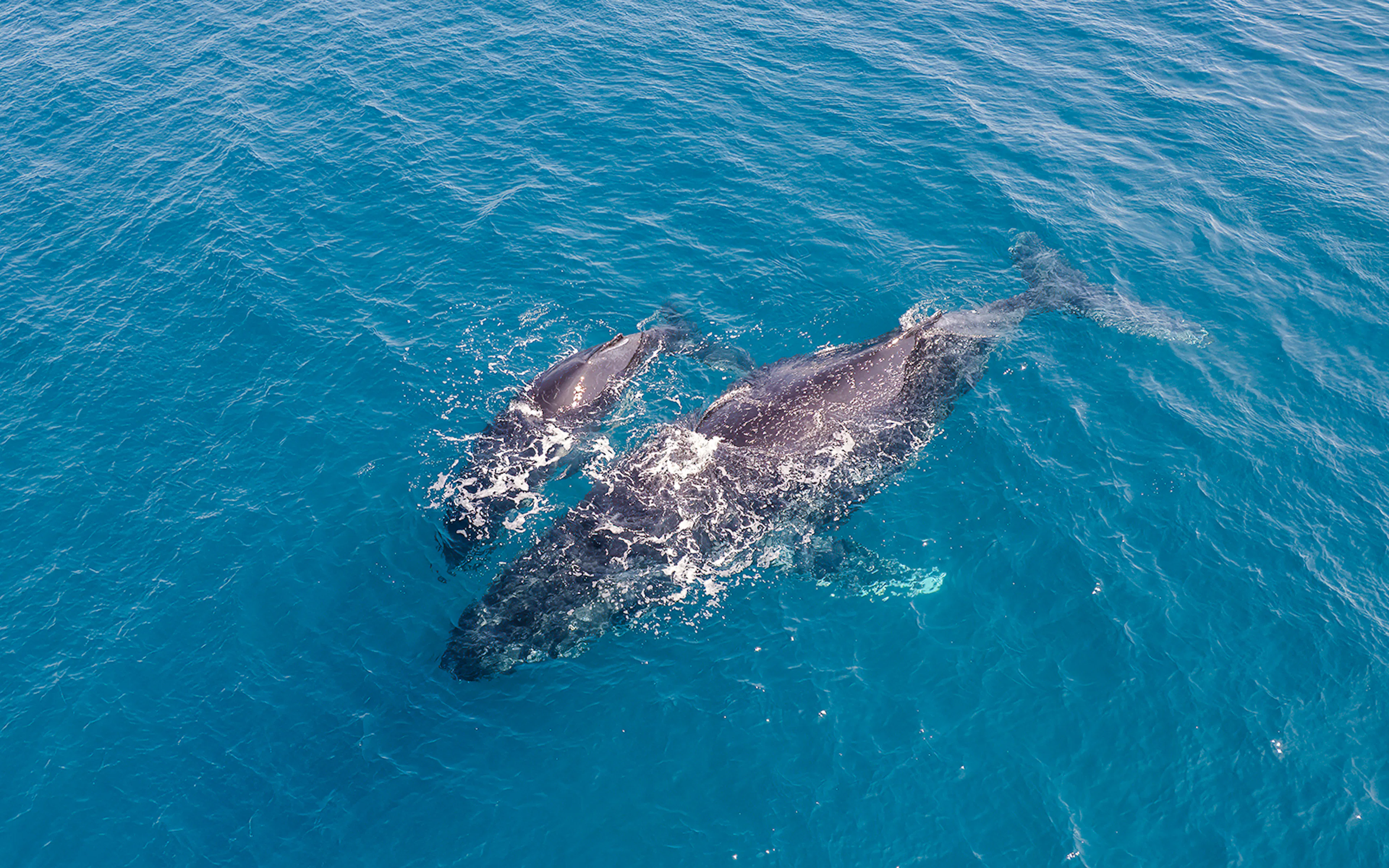
Humpback whales return here each spring, some traveling 3,000 miles from Caribbean breeding waters, to gorge on sand lance and herring that school in dense clouds above the bank. The sanctuary was designated in 1992, protecting 842 square miles of open ocean between Cape Ann and Cape Cod, and today supports a documented population of more than 900 individual humpbacks, many identified by fluke patterns and catalog numbers maintained by research institutions.
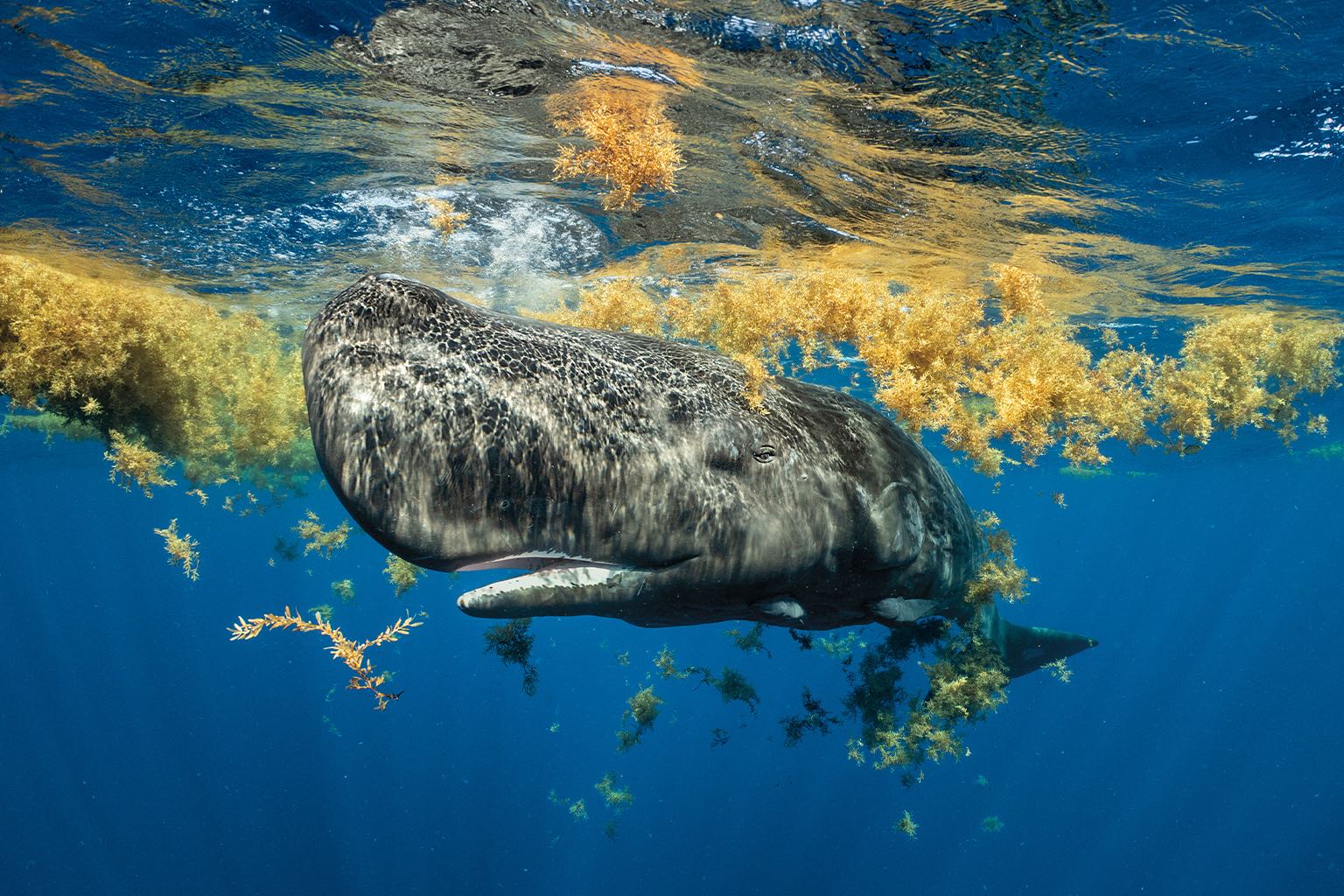
Plymouth whale watching tours depart from Town Wharf and reach the sanctuary's western edge in 45 to 60 minutes, crossing Massachusetts Bay where the continental shelf drops sharply into the Stellwagen Basin. The bank itself is a magnet for finback whales—the second-largest animal on Earth—and minke whales, which skim the surface in rapid, darting runs. Sei whales and the critically endangered North Atlantic right whale also pass through, though sightings are less predictable. Marine naturalists aboard most vessels provide real-time species identification and relay fluke photos to research databases, turning each cruise into a citizen-science opportunity.
The geology of Stellwagen Bank dictates the behavior of its visitors. Sand lance burrow into the bank's coarse sediment during daylight hours, emerging at dusk to feed on zooplankton. Humpbacks exploit this rhythm, executing bubble-net feeding maneuvers that trap entire schools in rising columns of air. Observers on the surface see only the final lunge—jaws agape, pleated throat grooves distended—but hydrophones capture the coordinated vocalizations that choreograph the hunt below. Finbacks, by contrast, feed alone, their 70-foot bodies slicing through krill patches at speeds exceeding 20 knots.
Plymouth whale watching reviews consistently note the proximity of encounters. Federal guidelines prohibit vessels from approaching within 100 yards, but whales often surface alongside boats, curious or indifferent to the human presence. Breaching—a full-body leap clear of the water—occurs without warning, the impact audible a mile away. Tail slaps, pectoral fin waves, and spy-hopping (vertical head-lifts) are recorded on thousands of plymouth whale watching photos each season, many published in marine biology journals. The sanctuary remains open year-round, though peak season runs May through October when plankton blooms reach maximum density.

"Humpbacks execute bubble-net feeding maneuvers that trap entire schools in rising columns of air."
A step-by-step walkthrough of Plymouth Whale Watching tickets — what you'll see, how long each stage takes, and the details that matter.
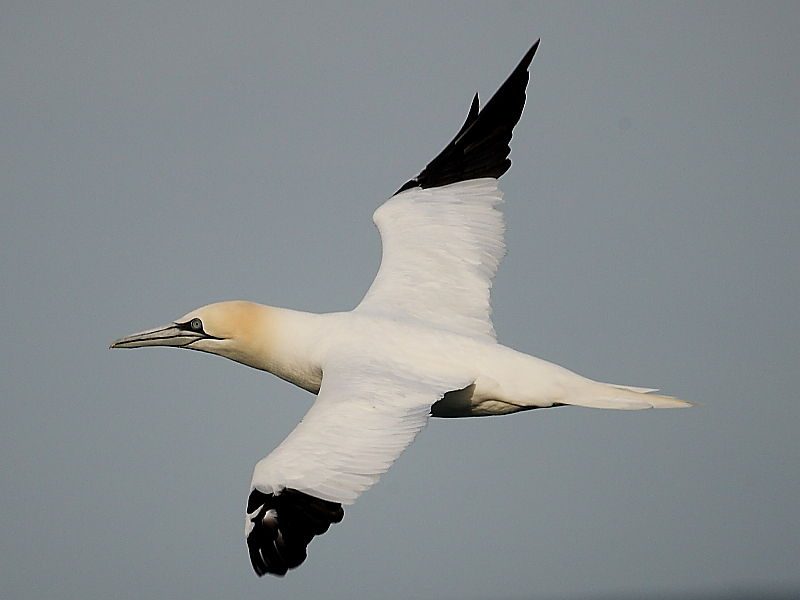
You board at Town Wharf before 9 a.m., stepping onto a high-speed catamaran or a classic single-hull cruiser with open upper decks. The harbor narrows as you pass Duxbury Pier Light, then opens into the broad sweep of Massachusetts Bay. Gulls and terns trail the wake, diving for baitfish churned to the surface.
Forty minutes out, the captain throttles down. The marine naturalist scans the horizon through binoculars, calling out a blow at two o'clock—a vertical spout six feet high, the unmistakable signature of a humpback.
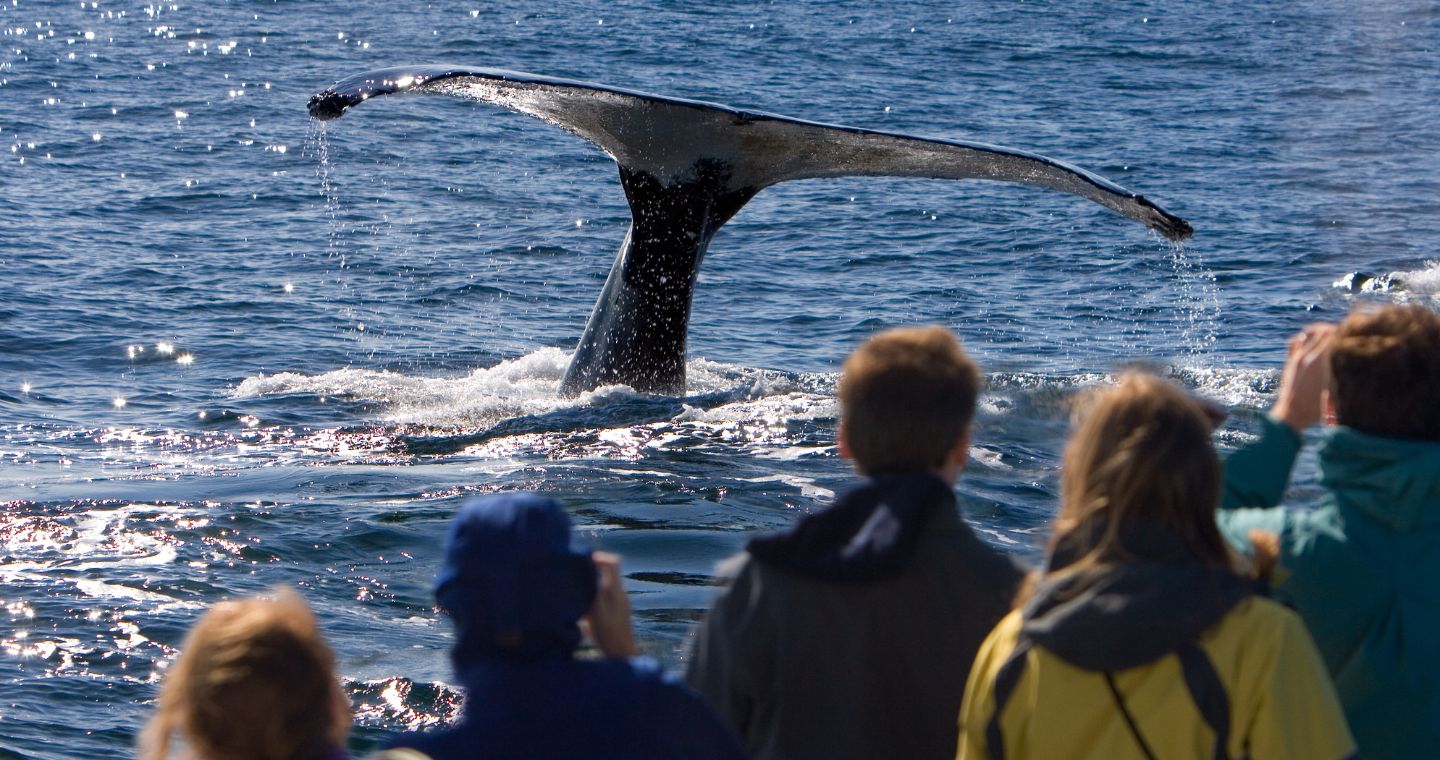
You move to the starboard rail. The whale surfaces again, closer now, its back a smooth black arc studded with barnacles. It dives, flukes rising in a slow, deliberate lift, and you count the seconds. Thirty. Forty. Then the surface erupts twenty yards ahead—a full breach, 40 tons of muscle suspended in midair before the crash sends whitecaps radiating outward. You raise your phone, but the moment is already gone. The naturalist identifies the individual by fluke pattern: catalog number 1917, nicknamed Salt, a female first documented in 1976.
A second whale appears to port, then a third. They circle, blow, and dive in loose formation. You watch for an hour, the engine idling, before the captain turns for home. The crossing back is slower. You warm your hands on coffee from the galley and scroll through the photos, none of them quite capturing the sound of the breach or the smell of the blow—fishy, briny, unmistakable.
Entry to the sanctuary is 0 USD, though independent tour payments are required.
Yes, you must purchase Plymouth whale watching tickets through an authorized commercial operator.
The sanctuary is open 00:00–23:59 daily, but tours operate on specific schedules.
The best arrival window is 08:00–10:00 to maximize sightings and calmer seas.
Accessibility depends on the specific vessel; check with your Plymouth whale watching tour provider.
Small soft-sided bags are typically allowed on these cruises.
Photography is encouraged throughout your Plymouth whale watching experience.
Dress in layers with non-slip shoes, as deck conditions change quickly.
Most vessels serving Plymouth whale watching guests have onboard galleys for refreshments.
Most Plymouth whale watching excursions depart from the Plymouth Town Wharf area.