
English| EUR
Suggested for you
More currencies
Choose a language
Stellwagen Bank National Marine Sanctuary sits at the mouth of Massachusetts Bay, 25 miles east of Boston, where nutrient-rich currents meet an underwater plateau and create one of the North Atlantic's most reliable whale feeding grounds. The sanctuary operates as an open-ocean protected area with no gates or entry fees, accessible only by boat from ports in Plymouth, Provincetown, and Gloucester.
Quick answer
Whale watching at Stellwagen Bank is best from mid-April through late October, when humpback, finback, and minke whales gather to feed on sand lance and herring schools over the sanctuary's shoals. Morning departures between 6:00 and 12:00 offer calmer seas and optimal visibility, with the highest concentration of whale activity occurring from June through September when water temperatures peak and prey density reaches its annual maximum.
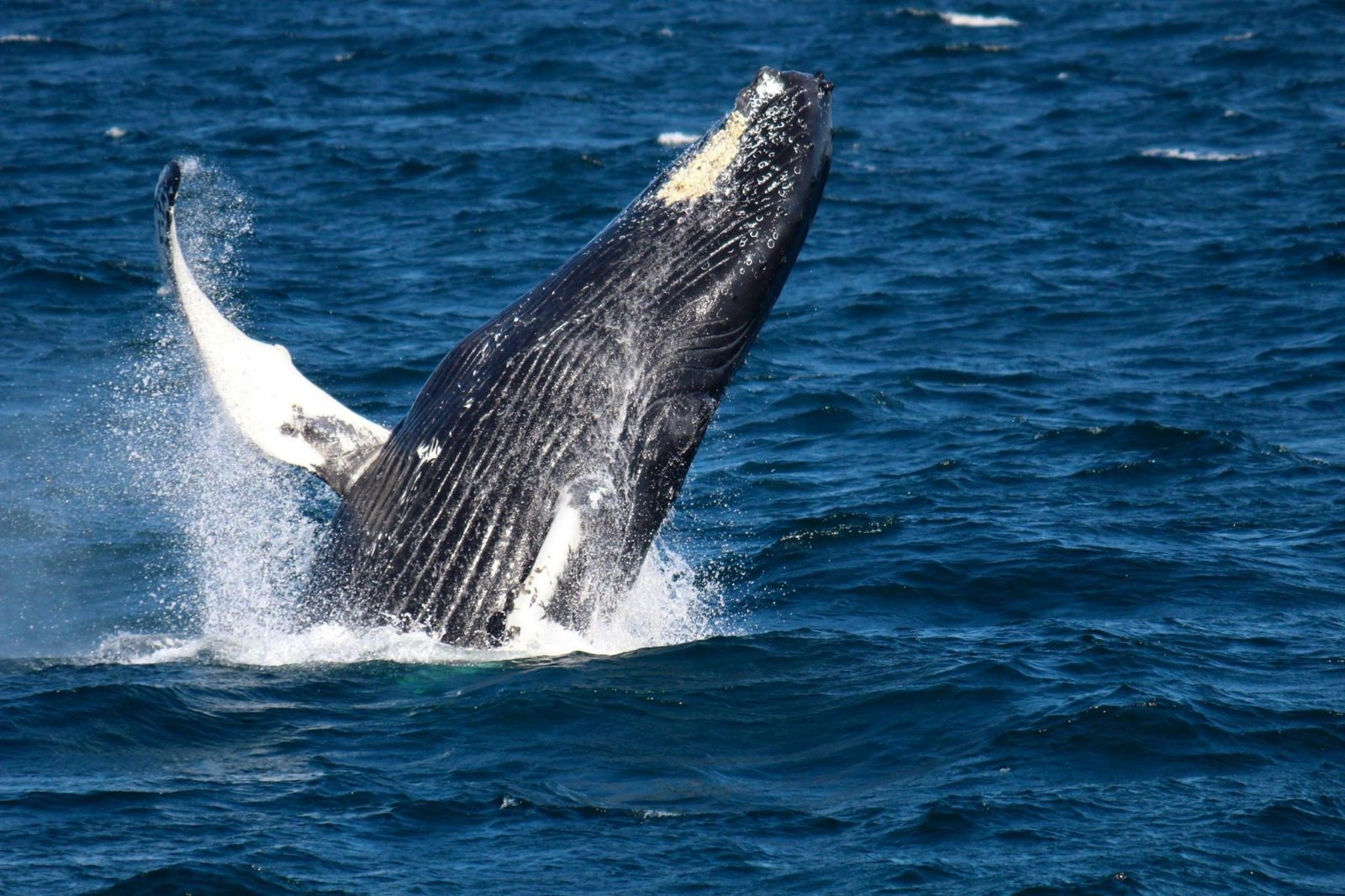
Stellwagen Bank is a glacial sand deposit that rises 100 to 600 feet above the surrounding seafloor, forcing deep, cold water upward and concentrating plankton, fish, and the whales that follow them. The phenomenon is predictable: every spring, as ocean temperatures climb past 50 degrees Fahrenheit, sand lance migrate to the bank's shallow edges to spawn, and within days the first humpback whales arrive from Caribbean breeding grounds 1,500 miles south. Understanding where and when to go whale watching means recognizing that the sanctuary itself is not a single location but an 842-square-mile marine zone stretching from Race Point to Cape Ann. Most commercial whale watch vessels depart from three ports—Plymouth on the western shore, Gloucester to the north, and Provincetown at the Cape's tip—each offering transit times between 45 and 90 minutes to reach the bank's core feeding areas. The sanctuary remains open year-round, with no admission requirements, but whale presence follows a strict seasonal arc tied to prey availability and water temperature. Peak whale watching unfolds between late May and mid-September, when humpback whale sightings approach 95 percent on calm-weather trips and fin whales—the second-largest animal on Earth—patrol the bank's deeper channels. July and August bring the highest surface activity: breaching, tail slapping, and bubble-net feeding, behaviors linked to abundant prey and the presence of calves born earlier that spring. September marks the arrival of North Atlantic right whales, a critically endangered species that uses the sanctuary as a late-season feeding stopover before migrating south. Morning departures align with the sanctuary's natural rhythm. Wind speeds over Massachusetts Bay typically build through the afternoon, and the glassy conditions between dawn and noon allow spotters to detect distant blows and dorsal fins from miles away. Whales feed throughout the day, but early trips benefit from sharper contrast between the animals' dark backs and the low-angle sunlight reflecting off the water's surface. Afternoon and sunset cruises remain viable through the summer months, though sea state and visibility become less predictable as the day progresses. The shoulder seasons—April and October—deliver fewer crowds and lower booking pressure, but whale sightings drop to 70 to 80 percent as animals begin their migrations. April can be cold and rough, with air temperatures in the 40s and frequent fog, while October offers stable weather but shorter days and the early departure of humpback whales toward warmer waters. Knowing where and when to go whale watching is less about choosing a single perfect day than recognizing the tradeoffs between peak abundance, sea conditions, and the type of whale behavior you want to witness. The sanctuary's open-access model and its position at the confluence of the Gulf of Maine and Cape Cod Bay ensure that no two trips produce identical sightings, even within the same week.
“Stellwagen Bank forces deep, cold water upward, concentrating plankton, fish, and the whales that follow them in one of the North Atlantic's most reliable feeding grounds.”
The peak whale watching season in Stellwagen Bank National Marine Sanctuary runs from mid-April through October. Planning your visit for the 06:00–12:00 arrival window provides the most favorable conditions for observation.
Cooler; 45°F–60°F
Humpback whales begin returning to the sanctuary to feed. Early spring offers active behaviors as populations stabilize.
Warm; 65°F–80°F
This period aligns with high biological productivity and consistent whale sightings. Marine conditions remain generally stable during these months.
Mild; 55°F–70°F
Whales are often seen feeding heavily in preparation for migration. Cooler air temperatures and lower humidity characterize this transition season.
—
The 06:00–12:00 arrival window offers calmer seas and optimal visibility. Lower wind speeds during these hours typically result in smoother transit to the sanctuary.
Verdict: For the highest probability of sightings in calm conditions, target a weekday morning departure between June and September.
Stellwagen Bank National Marine Sanctuary remains open to the public twenty-four hours a day, seven days a week. Please note that whale watching operations depend entirely on daylight and the specific schedules of authorized vessel operators.
Stellwagen Bank National Marine Sanctuary is an open ocean area, meaning there are no entrance fees to visit the sanctuary itself. Costs for whale watching trips are determined solely by commercial boat operators rather than sanctuary admission fees.
Verdict: The sanctuary requires 0 USD for entry, while total trip costs depend entirely on the specific commercial vessel and excursion package selected.
Stellwagen Bank National Marine Sanctuary is located in Massachusetts Bay, approximately 25 miles east of Boston. Because the sanctuary is an open ocean environment, public access is exclusively via commercial whale watching vessels departing from Plymouth and surrounding coastal harbors.
Route 3 to Plymouth waterfront
Commercial vessel from Plymouth Harbor
Plymouth Harbor docks
Plan to reach your departure point during the best arrival window of 06:00–12:00. Arriving early ensures you can navigate local parking at the harbor before the vessel departs.
Prepare for open-ocean conditions and several hours at sea with these essentials.
Everything you need to know about where and when to go whale watching
To determine where and when to go whale watching, visitors should look toward the Stellwagen Bank National Marine Sanctuary in Massachusetts Bay. This protected area serves as a primary feeding ground for humpback and minke whales during the summer months.
There is an entrance fee of 0 USD because the sanctuary is an open ocean area. While you do not pay for entry to the sanctuary itself, tour operators provide the necessary vessels to reach these offshore waters.
The best arrival window is 06:00–12:00. Morning departures offer calmer seas and optimal visibility for wildlife sightings, helping you understand where and when to go whale watching effectively.
The sanctuary remains open 00:00–23:59 daily, as it is a public marine space. However, commercial marine mammal observation trips operate according to specific schedules that prioritize daylight hours.
To master where and when to go whale watching, choose a vessel departing from Plymouth. These tours navigate the Massachusetts Bay ecosystem and provide expert narration on marine biology and conservation.
Families often find these maritime excursions educational, though it is important to prepare for motion on the open ocean. Check with your tour provider regarding age recommendations to ensure a safe experience for younger travelers.
When planning where and when to go whale watching, remember to pack layers, sunscreen, and binoculars. The wind off the water can be cool even in summer, and high-quality gear will enhance your chances of spotting blows, breaches, and flukes.
Plymouth Whale Watching Cruises
Read more Tickets & toursPlymouth Whale Watching Tours
Read more Tickets & toursPlymouth Whale Watching Coupons & Groupon
Read more GuidePlymouth Whale Watching Location & Parking
Read more Tickets & toursCaptain John Whale Watching
Read more Tickets & toursPlymouth Whale Watching Tickets & Prices
Read more